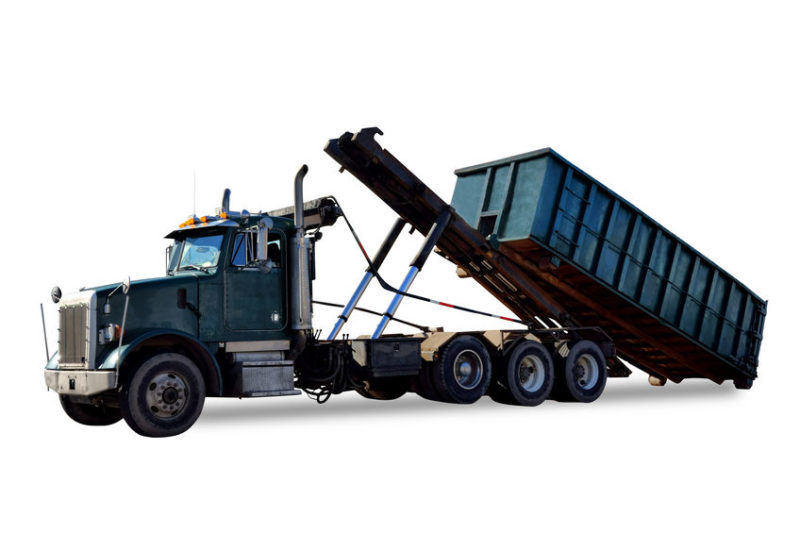
1. Understanding Roll-Off Rentals
Roll-off containers are versatile assets in waste management, offering convenience and efficiency in handling various types of waste materials. Available in different sizes and configurations, these containers are designed to accommodate different volumes of waste, making them suitable for a wide range of projects and applications. Compared to traditional disposal methods, roll-off rentals provide several advantages, including flexibility, ease of use, and scalability.
2. Planning and Preparation
Before renting roll-off containers, it’s crucial to conduct a thorough waste audit to determine the specific disposal requirements of the project. Assessing the type and volume of waste generated will help in selecting the appropriate container size and quantity needed. Additionally, careful planning of container placement and accessibility at the site ensures efficient waste disposal operations throughout the project duration.
3. Environmental Considerations
Incorporating environmentally friendly disposal practices is paramount in modern waste management. When utilizing roll-off rentals, it’s essential to segregate recyclable materials from general waste to maximize recycling opportunities and minimize environmental impact. Implementing waste reduction and diversion strategies further enhances sustainability efforts, contributing to a greener and more responsible approach to waste disposal.
4. Compliance and Regulations
Navigating regulatory requirements is a crucial aspect of waste management, especially when using roll-off rentals. Familiarizing yourself with local regulations and obtaining necessary permits ensures compliance with environmental standards and legal obligations. Maintaining accurate documentation and records of waste disposal activities is essential for demonstrating compliance and avoiding potential penalties.
5. Optimal Utilization and Efficiency
Efficient utilization of roll-off containers involves maximizing space within the containers through proper packing and stacking techniques. This not only optimizes waste disposal capacity but also reduces the frequency of container pickups, minimizing downtime and associated costs. Effective scheduling and coordination with rental providers ensure timely container exchanges, allowing for uninterrupted waste disposal operations.
6. Cost Management and Budgeting
Developing a comprehensive budget is essential for managing costs associated with roll-off rentals. This includes rental fees, transportation expenses, and disposal charges. Exploring cost-saving measures such as recycling initiatives and waste minimization strategies can help optimize budget allocation while maintaining efficient waste disposal practices. Negotiating favorable terms and pricing with rental providers further enhances cost efficiency and maximizes value for money.
7. Monitoring and Continuous Improvement
Establishing key performance indicators (KPIs) to track waste generation, disposal volumes, and recycling rates enables ongoing monitoring of waste management efforts. Regular reviews and assessments help identify areas for improvement and inform decision-making processes. Soliciting feedback from stakeholders and incorporating lessons learned into waste management practices facilitates continuous improvement and ensures ongoing optimization of roll-off rental utilization.
Takeaway
Mastering waste disposal through roll-off rentals requires a comprehensive understanding of the various aspects involved, from planning and compliance to environmental considerations and cost management. By adopting a proactive approach and implementing best practices outlined in this guide, organizations can navigate roll-off rentals like seasoned professionals, achieving waste disposal excellence while minimizing environmental impact and maximizing efficiency.